
 Skip to content
 Conveyor rubber roller is an essential component of a conveyor system, designed to support and guide the conveyor belt as it moves. It typically consists of a metal roller core that is coated with a layer of rubber. This rubber coating improves traction between the roller and the belt, minimizes wear, absorbs shocks, and reduces noise during operation. Conveyor rubber rollers are widely used in various industries, including manufacturing, mining, logistics, packaging, food processing, and more.
Conveyor rubber roller offers several significant benefits over traditional all-metal rollers:
Enhanced Traction: The rubber surface increases the grip on the conveyor belt, reducing slippage and improving overall efficiency.
Noise Reduction: Rubber helps dampen vibrations and minimizes noise during operation.
Shock Absorption: Rubber has natural elasticity, which helps absorb shocks and reduce mechanical stress on the system.
Extended Belt Life: The softer surface of rubber reduces wear and tear on the conveyor belt, prolonging its lifespan.
Versatility: Conveyor rubber roller can be customized for different environments and applications, including resistance to heat, oil, and chemicals.
Several rubber compounds are used in manufacturing conveyor rubber roller, each selected based on the application’s specific needs. Common materials include:
Natural Rubber (NR): Offers good elasticity, wear resistance, and shock absorption.
Neoprene: Resistant to weathering, ozone, and moderate chemicals.
Nitrile Rubber (NBR): Excellent oil and grease resistance.
EPDM: Performs well in outdoor applications and resists UV, ozone, and weathering.
Polyurethane (PU): High abrasion resistance and excellent load-bearing capacity.
Each rubber type has its pros and cons, so the choice depends on the working environment and material being conveyed.
Conveyor rubber roller is used in a wide range of industries and applications, including:
Mining and Quarrying: For transporting bulk materials such as coal, ores, and aggregates.
Food and Beverage Processing: For hygienic and controlled movement of packaged goods or raw materials.
Logistics and Warehousing: For parcel and pallet handling in distribution centers.
Manufacturing Plants: For assembly lines, materials movement, and automated processes.
Agriculture: For grain and produce handling.
Recycling and Waste Management: For durable, heavy-duty operations involving abrasive materials.
Conveyor rubber roller serves various functions within a conveyor system, and common types include:
Drive Rollers: Connected to the motor and responsible for powering the belt’s movement.
Return Rollers: Support the return side of the belt to prevent sagging.
Snub Rollers: Increase the contact area between the belt and the drive pulley for better grip.
Impact Rollers: Placed at loading points to absorb shock and prevent belt damage.
Guide Rollers: Help keep the belt aligned and centered during operation.
Each type is designed with specific materials, diameters, and rubber hardness to meet the functional requirements.
Yes, most manufacturers offer customized conveyor rubber roller to meet specific application needs. Customization options include:
Roller Diameter and Length: Tailored to the width and load capacity of the conveyor system.
Rubber Coating Thickness: Depending on wear resistance and cushioning needs.
Rubber Hardness (Durometer): Measured on the Shore A scale, ranging from soft (for cushioning) to hard (for durability).
Surface Finish: Smooth, grooved, or lagged textures depending on grip and traction needs.
Core Material: Usually mild steel, stainless steel, or aluminum, depending on the environment.
Bearing Type and Shaft Configuration: Adapted for easy installation and smooth operation.
Choosing the correct conveyor rubber roller involves evaluating several factors:
Type of Material Being Conveyed: Heavy, abrasive, or oily materials require more robust and resistant rollers.
Load and Speed Requirements: Higher loads and speeds require rollers with stronger core materials and optimal rubber hardness.
Working Environment: Consider factors like temperature, moisture, exposure to chemicals, and outdoor conditions.
Belt Type: The interaction between the roller and the belt type (e.g., flat, cleated, modular) also influences roller selection.
Maintenance Capabilities: Choose rollers that offer long service life and easy replacement in your system.
Consulting with a conveyor system expert or the manufacturer is recommended for proper selection.
Proper maintenance ensures long-term performance and reduces downtime. Here are key maintenance practices:
Routine Inspections: Check for signs of rubber wear, cracking, or delamination.
Cleaning: Regularly clean the rollers to remove dirt, residue, and sticky materials that can affect performance.
Lubrication: Ensure bearings are properly lubricated to prevent overheating and wear.
Alignment Checks: Make sure rollers are correctly aligned to prevent belt tracking issues.
Timely Replacements: Replace any damaged or excessively worn rollers promptly to avoid further system issues.

We’re professional manufacturer of PCB equipment and consumable. We can give you the best advice for your requirements.
© All Rights Reserved.
WhatsApp us
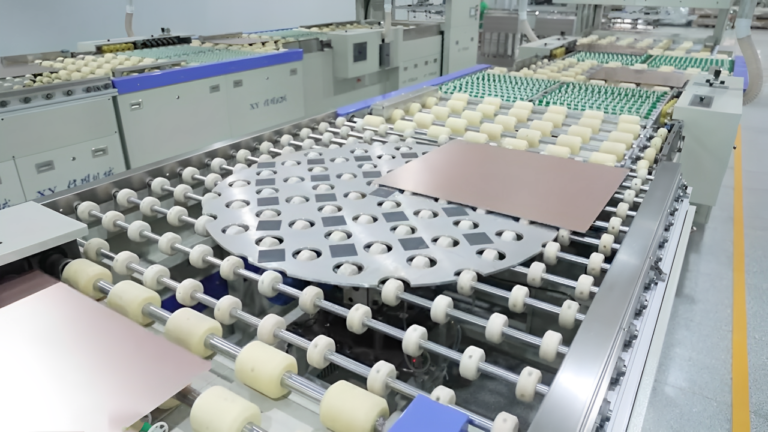
Eternal Tech is committed to becoming an expert in PCB conveying systems.
 Optimized by Seraphinite Accelerator


