 Skip to content
 More than 3000 square meters of warehouse, with a large stock
Light weight, small size, easy to air delivery
Injection molding department and machining department
24/7 one-on-one engineer service support
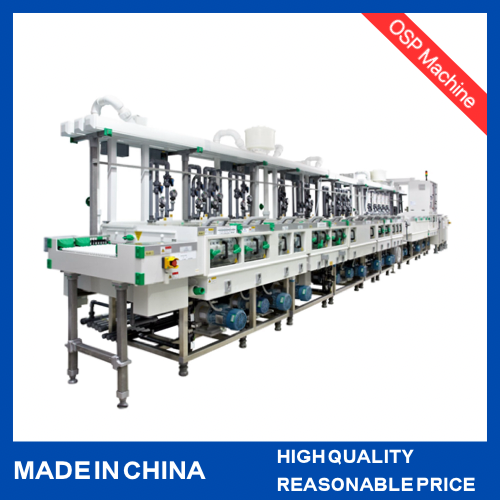
PCB OSP (Organic Solderability Preservative) equipment is used for applying a protective coating to circuit boards, specifically for PCB (Printed Circuit Board) surfaces. The OSP coating is designed to prevent oxidation and maintain the solderability of the copper surfaces of the PCB, ensuring reliable soldering during the manufacturing process.
Cleaning Equipment: Cleaning is a critical step to ensure that the copper surface is free from contaminants before applying the PCB OSP coating. Equipment like ultrasonic cleaners, spray washers, or acid etching machines are typically used.
OSP Treatment Tank (Dip Tank): The PCB OSP treatment tank is used to immerse the PCB in the OSP solution, which is typically a water-based organic solution containing chemical agents that form a protective layer on the copper pads.
Rinsing Stations: After immersion in the PCB OSP solution, PCBs must be rinsed to remove any excess chemical or residues from the surface.
Drying Oven: Once the PCB has been treated with the OSP coating, it must be dried to solidify the layer and remove any excess moisture.
Inspection Systems: Inspection systems, including automatic optical inspection (AOI) machines, are used to verify the quality and uniformity of the PCB OSP coating.
Curing Equipment: In some PCB OSP treatments, a curing process may be required to further strengthen the protective layer.
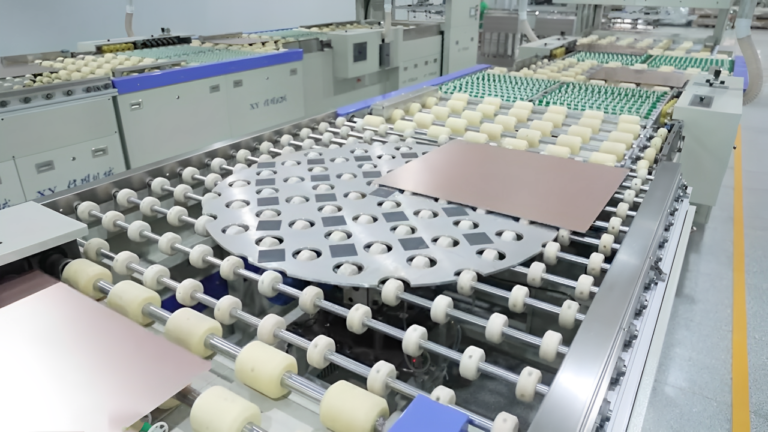
Conveyor Systems: Conveyor systems are used to transport PCBs through the various stages of the PCB OSP process, from cleaning and treatment to drying and curing.
Environmental Control Systems: Environmental control systems maintain the proper temperature, humidity, and cleanliness of the production area where the PCB OSP treatment takes place.
Water Filtration and Recycling Units: Since the PCB OSP solution is water-based, the filtration and recycling systems ensure the water used in rinsing and other stages is free from impurities and reused efficiently.
Quality Control (QC) Lab Equipment: QC labs may use tools such as microsectioning equipment, X-ray inspection, or surface analysis devices to analyze the OSP coating’s integrity.
Dry Film Lamination Equipment: For certain types of PCB OSP processes, a dry film lamination step may be involved, where a thin protective film is applied to the PCB before the PCB OSP treatment.
Pre-Cleaning Process: The PCB is cleaned and rinsed to ensure that the copper surface is free from any foreign substances, making it suitable for the OSP coating.
Copper Surface Treatment: The PCB is immersed in the surface treatment solution for a specific duration. This treatment helps to remove any remaining oxide layer from the copper pads and prepares them for PCB OSP application.
OSP Application (Dip Process): The PCB is submerged in the OSP solution. The coating forms as the chemical agents react with the copper surface, creating a thin, organic layer that prevents further oxidation. The PCB must be carefully monitored to ensure the coating is consistent and uniform.
Rinsing Process: The PCB is rinsed thoroughly with water to remove any excess OSP coating. This is done to prevent the buildup of excess chemicals that could lead to defects or improper soldering later in the process.
Drying and Curing: The PCB is heated in a controlled drying oven to a specific temperature, typically ranging between 100°C to 120°C, to evaporate any remaining solvents and solidify the organic coating. In some cases, additional curing at higher temperatures may be required to ensure the PCB OSP coating’s stability and longevity.
Inspection and Quality Control: After drying, the PCB undergoes rigorous inspection to check for defects such as improper OSP coverage, scratches, or missing coating areas. A detailed inspection ensures that the boards meet the necessary quality standards.
Storage and Handling: The PCB is stored in a dry, controlled environment to prevent moisture absorption, which could damage the OSP coating and affect solderability. Proper handling is essential to prevent physical damage to the OSP layer.
Reflow Soldering (Final Step in Assembly): In the reflow oven, the OSP coating dissolves in the heat, exposing the fresh copper underneath. This ensures that a reliable solder joint is formed with the electronic components, completing the assembly process.
If the PCB OSP coating is too thin or uneven, it may not provide sufficient protection to the copper pads, leading to poor solderability, oxidation, or even failures during assembly.
Solutions:Ensure the PCB is properly immersed in the OSP solution for the recommended time to allow uniform coating. Check and maintain the quality and concentration of the OSP solution, replacing it when necessary. Use an automatic or robotic system for better control of immersion time and uniformity. Perform regular inspections using optical inspection systems to ensure consistent coating thickness across the PCB.
If the OSP coating peels off easily during handling or assembly, the copper pads underneath may become exposed, leading to solderability issues.
Solutions:Improve the cleanliness of the PCB before OSP application, ensuring all oxidation or contaminants are removed from the copper surface. Ensure that the PCB is baked or cured properly after OSP application to promote good adhesion. Use anti-static and protective packaging to handle and store PCBs carefully before assembly. Consider adding a secondary protective layer (such as a dry film or protective coating) over the PCB OSP to prevent damage during handling.
If the PCB OSP coating is not uniform, some areas may not form a good solder joint, leading to cold solder joints or poor electrical contact.
Solutions:Ensure that the PCB OSP coating is uniform and of the correct thickness before sending the PCB to assembly. Review the cleaning process to make sure that no residues or contaminants remain on the PCB that could interfere with soldering. Perform a profile optimization for reflow soldering to ensure that temperature and time settings are consistent for all areas of the PCB.
If the OSP-coated PCB is not properly stored or handled, the copper pads can oxidize, compromising the solderability of the PCB.
Solutions: Store PCBs in sealed, moisture-controlled bags with desiccant to prevent oxidation and moisture exposure. Use controlled environments with proper humidity and temperature control during the handling, storage, and transportation of PCBs. Ensure that PCBs are used within the recommended shelf life of the OSP coating (typically a few months depending on storage conditions).
Over time, the OSP solution may become contaminated with dust, residues, or other chemicals, which can affect the quality and consistency of the coating.
Solutions: Regularly filter the PCB OSP solution to remove impurities and prevent contamination. Maintain cleanliness in the PCB OSP bath and surrounding area to avoid contamination from outside sources. Monitor and maintain the concentration levels and chemical composition of the PCB OSP solution to ensure it is effective.
If the solder mask does not adhere well to the PCB after the PCB OSP coating, it can peel off or lift during the PCB assembly process.
Solutions: Ensure that the PCB OSP coating is fully dried and properly cured before applying the solder mask. Check that the PCB surface is properly prepared for solder mask application (i.e., it should be free of PCB OSP residues or contamination). Use a solder mask that is compatible with the PCB OSP surface finish to ensure strong adhesion.
The OSP coating can degrade over time, especially if the PCB is stored for an extended period before assembly. This degradation can reduce the effectiveness of the PCB OSP coating and lead to poor soldering.
Solutions: Use Moisture Barrier Bags (MBB) with desiccants to prevent exposure to moisture and air. Ensure that PCBs are stored in a cool, dry, and dark environment to avoid premature degradation of the OSP coating. Follow the manufacturer’s recommended shelf life for OSP-coated PCBs and use them before that period expires.
If contaminants such as dirt, oil, or fingerprints remain on the copper pads after the PCB OSP treatment, they can hinder solderability and lead to poor-quality solder joints.
Solutions: Make sure the cleaning process before PCB OSP application is thorough, using proper solvents and cleaning agents to remove any oils, dust, or fingerprints. Implement better cleanliness protocols during handling, ensuring that the PCB is not contaminated during transportation or storage.

Accuracy and Consistency of the PCB OSP Coating: Choose equipment that can apply the OSP layer uniformly across the PCB surface. Ensure that the coating thickness is consistent and meets the required specifications for solderability. Machines should be capable of adjusting parameters like solution concentration, immersion time, and temperature.
Throughput and Production Capacity: Ensure that the equipment can handle the required production volume. If your company needs to process large batches of PCBs or has fluctuating production demands, choose a system that offers a balance between throughput and quality. Consider automated systems with high-speed processing capabilities.
Chemical Management and Solution Recycling: Look for equipment with built-in chemical recycling or filtration systems to extend the life of the PCB OSP solution and minimize waste. The equipment should be able to maintain the correct chemical concentrations and minimize solution degradation.
Environmental Control: Equipment should be designed with temperature and humidity controls, especially in the curing or drying stages. This ensures that the PCB OSP layer cures properly and that the coating remains stable until assembly.
Ease of Maintenance: Choose equipment that is easy to maintain and clean. The PCB OSP process involves chemicals that can accumulate over time, so equipment should be designed for quick and easy cleaning to avoid contamination between batches. Additionally, ensure that spare parts and support services are readily available.
Automation and Process Control: Choose equipment with automated features like conveyor systems, automatic solution immersion control, and programmable parameters. This ensures consistent coating quality and helps reduce human error. Advanced systems may also offer real-time monitoring of process variables like solution concentration and temperature.
Space and Layout Considerations: Consider the size and footprint of the PCB OSP equipment in relation to your available space. Equipment should fit into your production line layout without creating workflow bottlenecks. If space is tight, compact and modular systems are ideal.
Compatibility with Other PCB Processes: Ensure that the PCB OSP system integrates well with other processes such as cleaning, etching, and soldermask application. The equipment should have adjustable settings to match different stages of PCB fabrication and should not interfere with other post-treatment processes.
Cost of Ownership and ROI: Consider both the initial cost and long-term operational costs, including maintenance, chemicals, and energy consumption. While higher-end systems may have a larger initial investment, they may offer better energy efficiency, reduced waste, and longer service life, ultimately offering a better return on investment (ROI) over time.
Quality Control and Inspection Systems: Look for equipment that comes with built-in inspection systems, such as automatic optical inspection (AOI) or inline quality control features to monitor the uniformity of the OSP coating in real-time. This can help identify and correct defects early in the process.
Regulatory Compliance: Ensure that the equipment complies with international standards such as RoHS (Restriction of Hazardous Substances), REACH (Registration, Evaluation, Authorisation, and Restriction of Chemicals), and other environmental and safety regulations. The OSP process should ideally be lead-free and environmentally friendly.
Training and Support: Choose equipment manufacturers that provide comprehensive training for operators and technicians. Additionally, check if the manufacturer offers ongoing support, troubleshooting, and software updates.
102, No.14-1 Jixiang 3rd Road, Yixin Community, Longgang District, Shenzhen, Guangdong Province, China.
+ 86 181 8840 4906
eternal02023@gmail.com
We’re professional manufacturer of PCB equipment and consumable. We can give you the best advice for your requirements.
© All Rights Reserved.
WhatsApp us
Eternal Tech is committed to becoming an expert in PCB conveying systems.
 Optimized by Seraphinite Accelerator