 Skip to content
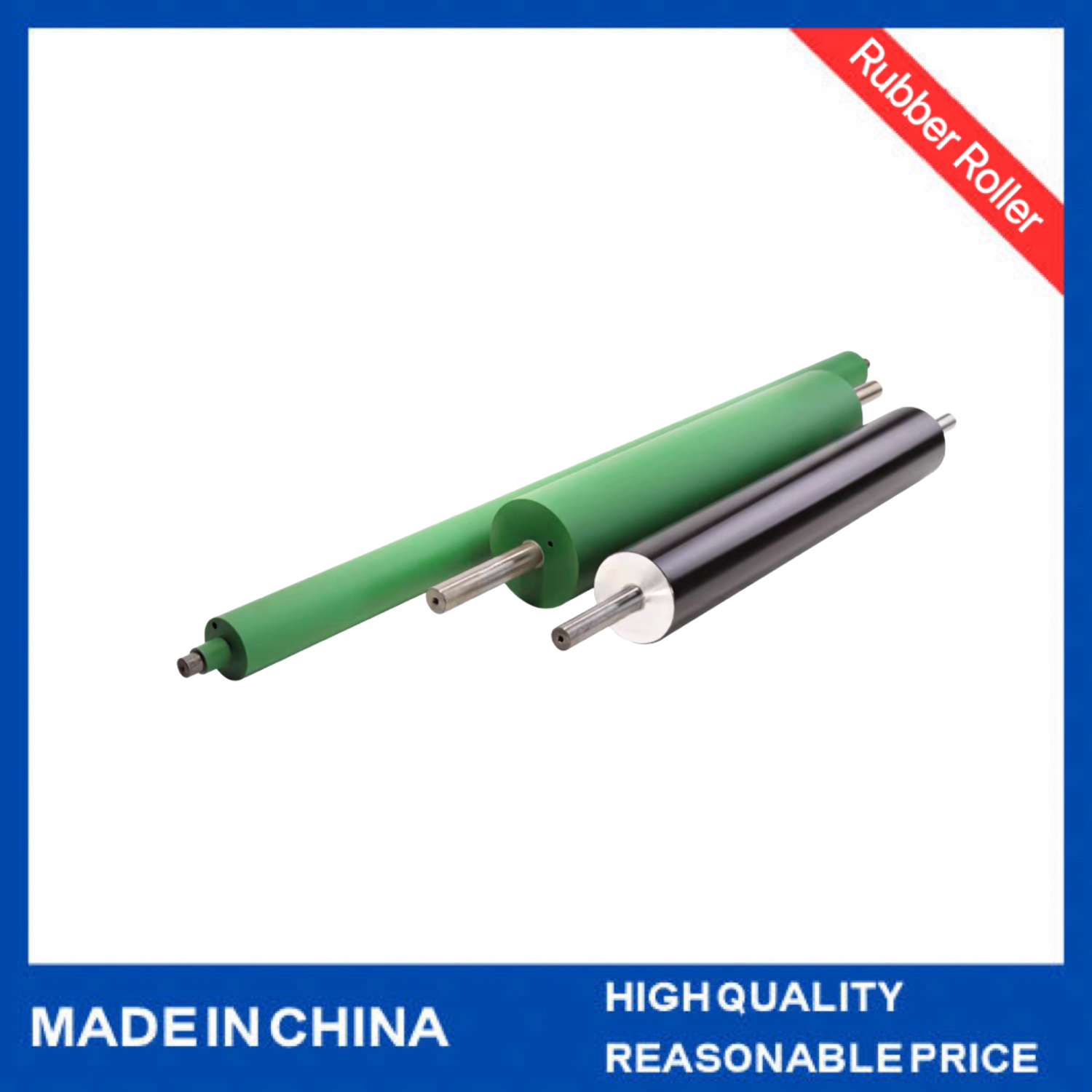
 A textile roller is a cylindrical mechanical component used extensively in textile manufacturing and processing machinery. These rollers play a vital role in the handling, processing, and finishing of various fabrics. They are typically made from materials like steel, aluminum, or rubber-coated compounds and are designed to provide grip, tension, and movement to fabric as it moves through machines such as dyeing units, printing machines, washing lines, and calenders.
There are several types of textile roller, each designed for specific applications within the textile production process:
Guide Rollers: Help to guide fabric smoothly through machines.
Bow Rollers: Used to remove wrinkles and creases.
Spreader Rollers: Help to spread and align fabric edges.
Rubber-Coated Rollers: Provide grip and protection for delicate fabrics.
Embossing Rollers: Used to imprint patterns onto fabrics.
Dryer Rollers: Part of the drying mechanism, often heated.
Padding Rollers: Apply chemicals or dyes uniformly.
The choice of roller surface material depends on the type of fabric and the intended process. Common surface materials include:
Rubber (NBR, EPDM, Silicone): Offers good grip and is soft on delicate fabrics.
Polyurethane (PU): High wear resistance and chemical resistance.
Teflon (PTFE): Excellent for non-stick, high-temperature applications.
Steel or Stainless Steel: Provides strength and resistance to deformation.
PVC: Economical and suitable for light-duty fabric handling.
Textile roller performs a variety of essential functions in textile production, including:
Transporting fabric through processing stages
Applying tension for even processing
Spreading fabric to avoid creasing
Applying or removing liquid solutions
Heating or drying fabric during treatment
Guiding fabric accurately to maintain alignment
Selecting the appropriate roller depends on multiple factors:
Fabric type (cotton, polyester, silk, etc.)
Processing type (dyeing, printing, drying, etc.)
Roller function (guiding, spreading, padding, etc.)
Required surface hardness
Operating temperature
Chemical exposure
Load and speed requirements
Consulting with a textile machinery expert or roller manufacturer is often helpful in making the best choice.
The frequency of maintenance or replacement depends on usage, material quality, and environmental factors:
Routine inspection is recommended every 1–3 months.
Cleaning should be done regularly to remove buildup.
Re-coating or recovering may be necessary every 6–24 months, depending on wear.
Replacement should occur when rollers show signs of uneven wear, loss of grip, cracks, or dimensional deformation.
Yes, textile roller can be custom-manufactured to meet specific requirements:
Custom diameters and lengths
Special surface materials or coatings
Variable hardness levels
Grooved, knurled, or patterned surfaces
Shaft design variations (keyways, flats, threaded ends, etc.)
Customization ensures compatibility with specific machines and optimizes performance.
Some common issues include:
Roller slippage due to worn or low-friction surfaces
Fabric wrinkling or skewing caused by misalignment
Roller deformation due to excess load or heat
Chemical attack leading to surface degradation
Uneven coating causing inconsistent processing results
Most of these problems can be avoided through regular maintenance, proper material selection, and correct roller installation.

We’re professional manufacturer of PCB equipment and consumable. We can give you the best advice for your requirements.
© All Rights Reserved.
WhatsApp us
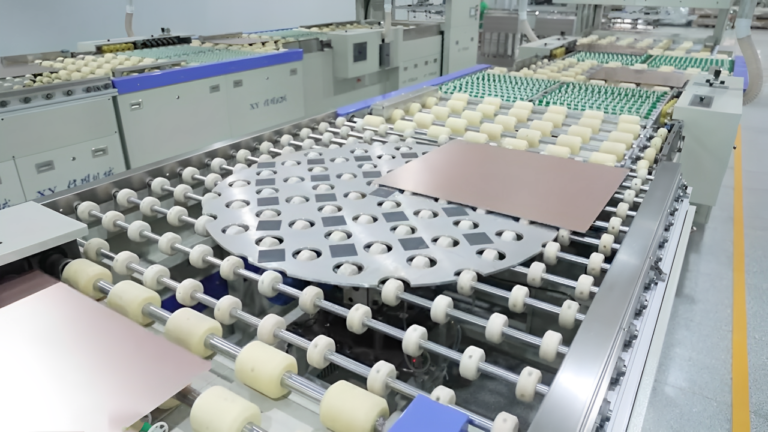
Eternal Tech is committed to becoming an expert in PCB conveying systems.
 Optimized by Seraphinite Accelerator